Housing advisor explains: Respecting boundaries and privacy
In this article series, a Hoas housing advisor introduces one of the Safely together principles – what it means in practice, and how you can help create a safe and respectful atmosphere in Hoas homes through your own actions.
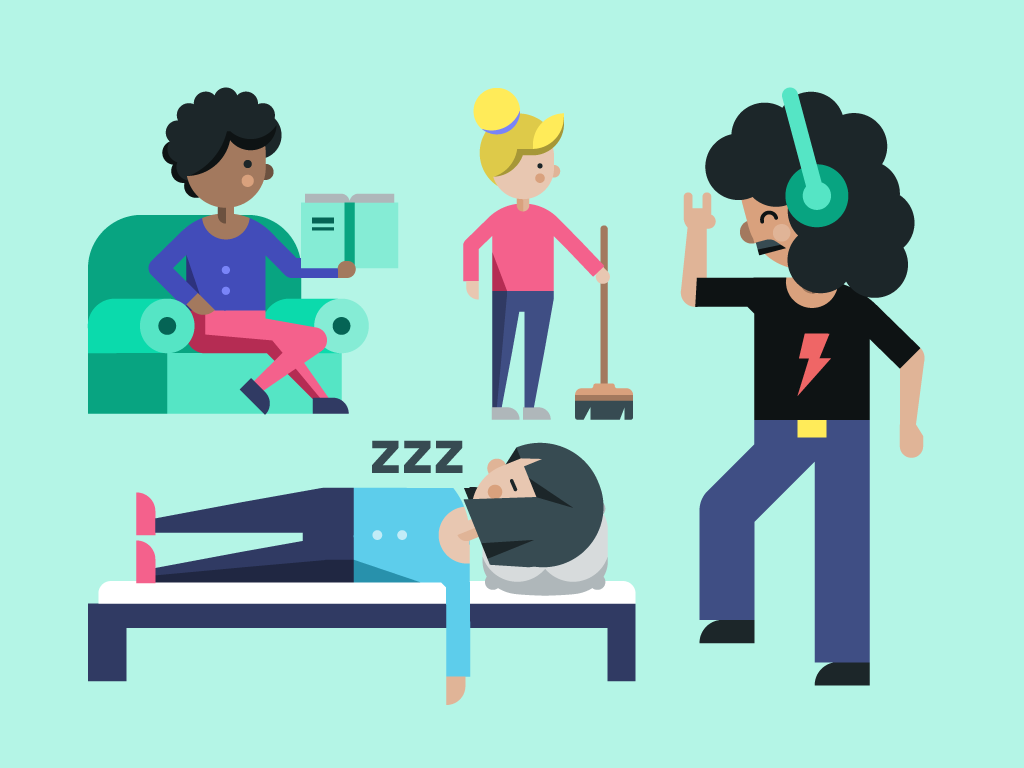
Respecting boundaries and privacy
A safe environment belongs to everyone. No one should be disturbed or have their boundaries crossed – not physically, verbally, or emotionally. Each person is responsible for their own behavior.
One of the most important aspects of community living is that everyone has the right to their own space, personal boundaries, and privacy. This includes physical space, but also emotional and mental space.
It’s important to remember that what feels normal to you might not feel that way to someone else. Living together inevitably brings situations where different habits and boundaries meet. Some boundaries are clear—like wanting others to stay out of your room unless invited, or expecting that no one speaks disrespectfully about others. But many boundaries relate to everyday matters and may not even be fully recognized by the person themselves until they’re crossed.
It might feel perfectly natural to pour a splash of milk from your flatmate’s carton into your coffee or swipe a bit of butter from the shared fridge without asking. But for someone else, borrowing food without permission can be a big deal – even a matter of principle. Some don’t mind dirty socks on the floor, while others wipe away every splash from the sink. Someone gives hugs just to say hello; someone else flinches at a brush of an elbow at the dinner table. One shares their day through voice notes, the other keeps even their lunch choice to themselves.
We don’t all live our lives the same way — we’ve simply learned to navigate the world differently. While some habits go unnoticed in everyday life, others can start to feel exaggerated when they repeat day after day. It’s important to recognize that many of these differences come with invisible boundaries and expectations: how we think others should behave, and what we ourselves are willing to accept. That’s why it’s essential to voice our own boundaries — otherwise, they remain hidden and can lead to unnecessary friction in daily life.
When lifestyles differ significantly, it’s worth looking for compromises. At the same time, it’s just as important to recognize your own limits – especially the ones that, when crossed repeatedly, start to feel unacceptable – and talk about them openly and clearly.
As members of a community, we all have a responsibility for each other’s well-being.
Practical tips for tenants
- Set clear boundaries: If you don’t want your flatmates to enter your room without permission, say so directly and respectfully. Good communication helps prevent misunderstandings.
- Respect others’ privacy: If you notice that a flatmate values their privacy more, don’t pressure them to socialize or engage more than they want to. It’s perfectly normal for people to need space and quiet time.
- Privacy isn’t just physical: When discussing sensitive topics, like struggles with studies, be mindful of others’ feelings and keep those conversations confidential.
Example
If your flatmate has moved to your apartment and chooses not to participate in shared events, don’t assume they’re indifferent. They might simply need more time and space for themselves, and that doesn’t mean they don’t value the community. Respect their boundaries and offer support if needed – but don’t push them.
The Safely Together principles and article series are part of Hoas’ commitment to sustainability. We want to ensure that every tenant has the right to live equally, fairly, and as their authentic self.